Source Excavator Fuel Injector for Bulldozers, Engines, and Machinery
Find 30 available excavator fuel injector options from verified suppliers. Compare specifications, prices, and customization features for diesel engines used in heavy machinery applications.
Key considerations
Products List


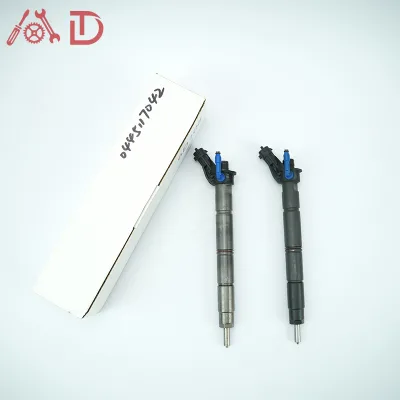


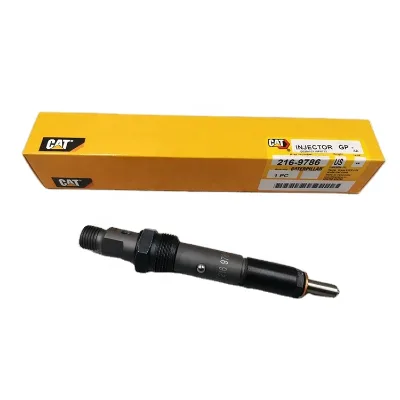


Comprehensive Sourcing Guide
Strategic Sourcing Guide for Excavator Fuel Injectors
Understanding Technical Specifications and Compatibility
When sourcing fuel injectors for heavy machinery, the primary objective is to ensure precise compatibility with the specific engine architecture of the excavator. The market offers a diverse array of part numbers that correspond to distinct engine families and manufacturer specifications. Buyers must recognize that a single keyword search often yields results spanning multiple engine codes and model numbers. For instance, documented listings include specific part identifiers such as 85003043, 194-5080, 21644596, 155-1819, and 4928262. These numbers are not interchangeable; they represent unique engineering solutions designed for specific fuel delivery requirements.
The technical profile of a standard excavator fuel injector typically involves an electronic solenoid valve control type, which allows for precise timing and dosage of fuel injection. This is critical for modern diesel engines where emissions and efficiency are paramount. The material composition is another vital technical attribute. High-grade alloy steel is frequently cited as the construction material, providing the necessary durability to withstand high-pressure environments and thermal cycling. The surface treatment often includes an anti-corrosion coating to protect against the harsh chemical and environmental conditions found in construction sites.
Furthermore, the atomization technology employed in these injectors is a key differentiator. Advanced units utilize precision micro-mist technology to ensure that fuel is broken down into fine droplets, promoting complete combustion. This directly impacts engine performance, fuel economy, and exhaust emissions. The fuel type is almost exclusively diesel for this application, and the injectors are designed to operate within the high-pressure constraints of common rail systems. Buyers should verify that the specific part number matches the engine code of their machinery, such as the 3056e code, to avoid installation failures. The application scope generally covers both excavators and bulldozers, indicating a shared platform for many heavy equipment components.
Compliance, Certification, and Regulatory Standards
Navigating the regulatory landscape is essential for B2B procurement to ensure that purchased components meet international safety and quality benchmarks. While specific certification statuses can vary by supplier, the presence of recognized marks provides a baseline for quality assurance. In the current market, certifications such as CE are observed on certain fuel injector listings, indicating compliance with European health, safety, and environmental protection standards. Additionally, the industry standard ISOTS is referenced in the context of fuel injection devices, suggesting adherence to specific automotive quality management systems.
It is important for buyers to understand that certification is not a universal attribute for every listed product. Some suppliers may offer products with standard specifications without explicit third-party certification marks. Therefore, the procurement strategy must involve a direct verification step where the buyer requests current certification documents from the supplier. The standard specification for these components is often listed simply as "Standard," which implies adherence to general industry norms rather than a proprietary or custom standard. However, the availability of "Standard Specifications or Customized" options suggests that buyers can negotiate specific compliance requirements if their operation demands it.
Origin plays a significant role in compliance perception. The majority of the observed supply originates from China, with specific manufacturing hubs identified in Guangdong and Shandong provinces. While these regions are major manufacturing centers, buyers must ensure that the "Made in China" origin does not conflict with any local import regulations or trade restrictions in their destination country. The condition of the product is another compliance factor; listings consistently describe the items as "New" or "New 100%," which is a critical requirement for warranty validity and performance reliability. Buyers should explicitly confirm the condition status in the purchase order to avoid receiving refurbished or remanufactured units unless that is the specific intent of the procurement.
Cost Drivers and Pricing Dynamics
The pricing structure for excavator fuel injectors is influenced by a complex interplay of factors, including part complexity, material costs, and supply chain logistics. The observed price range in the market is substantial, spanning from 1 USD to 1850 USD. This wide variance indicates that the product category includes everything from basic replacement units to high-performance, specialized injectors for heavy-duty applications. The specific price point for a buyer will depend heavily on the part number, the brand reputation, and the level of customization required.
Several key drivers influence the final cost. The use of high-grade alloy steel and advanced surface treatments like anti-corrosion coatings adds to the manufacturing cost. Similarly, the integration of precision micro-mist technology and electronic solenoid valve controls requires sophisticated engineering and testing, which commands a premium. The packaging method also affects the unit price; while standard box packaging is common, customized packaging options may incur additional fees.
Payment terms are another variable that impacts the financial dynamics of the transaction. The market supports a variety of payment methods, including IT western Union, Paypal, and Alipay. The choice of payment method can sometimes influence the final negotiated price or the security of the transaction. Additionally, the Minimum Order Quantity (MOQ) is a significant cost driver. The observed MOQ range is between 1 and 10 units. A lower MOQ of 1 allows for single-unit testing or emergency replacements, whereas higher MOQs may unlock volume discounts. Buyers should calculate the total cost of ownership, including shipping and potential customs duties, rather than focusing solely on the unit price, especially given the wide range of observed prices.
Typical Applications and Operational Context
Excavator fuel injectors are specialized components designed for the rigorous demands of heavy construction equipment. The primary application is clearly identified as excavators, but the versatility of these components often extends to bulldozers as well. This cross-compatibility is common in the heavy machinery industry where engine platforms are shared across different machine types. The specific engine code 3056e is noted as a compatible application, highlighting the need for precise matching between the injector and the engine model.
The operational context for these injectors involves high-stress environments. Excavators and bulldozers operate in dusty, dirty, and vibration-heavy conditions. The "New 100%" condition of the parts ensures that they are ready to handle these stresses immediately upon installation. The warranty period, observed to be 3 months, reflects the manufacturer's confidence in the product's durability under normal operating conditions. However, buyers should be aware that the warranty terms may vary and should be verified against the specific supplier's policy.
The control type, identified as an electronic solenoid valve, is crucial for the dynamic operation of modern excavators. These systems allow for rapid adjustments to fuel delivery based on load and speed, optimizing performance and fuel efficiency. The "Common Rail Injector" keyword further emphasizes the technology used, which is standard in modern diesel engines for its ability to deliver fuel at very high pressures. This technology is essential for meeting increasingly strict emissions regulations while maintaining the power output required for heavy digging and lifting tasks.
Supplier Evaluation and Verification Protocols
Selecting the right supplier is a critical step in the procurement process. With 30 distinct products observed in the market, the volume of potential suppliers is significant. Buyers must adopt a rigorous evaluation protocol to distinguish between reliable vendors and those with questionable quality. The first step is to verify the "Place of Origin." While the data indicates origins in Guangdong and Shandong, China, buyers should confirm the specific factory location to ensure it aligns with their quality expectations and logistical preferences.
Verification of customization capabilities is another vital evaluation metric. The market data shows that customization is available, with options for "OEM & ODM Custom" and "Standard Packaging or Customized." This indicates that suppliers are flexible, but buyers must assess whether the supplier has the technical capacity to meet specific engineering requirements. The "Video Outgoing-Inspection" attribute is a unique differentiator. Some listings indicate that video inspection is "Not Available," while others state "Support." Suppliers that offer video outgoing inspections provide a higher level of transparency, allowing buyers to visually verify the condition and packaging of the product before shipment. This feature is highly recommended for high-value orders.
The "Brand Name" attribute often lists "Made in China," which is a generic descriptor rather than a specific brand. Buyers should look for suppliers who can provide more detailed brand information or OEM credentials. Additionally, the "Condition" is listed as "New" or "New 100%," but buyers should request proof of this status, such as a certificate of origin or a quality assurance statement, to ensure the parts are not refurbished. The "Selling Units" being listed as "Single item" suggests that the market is fragmented, with many small suppliers offering individual units. Buyers should prioritize suppliers who demonstrate a consistent track record of delivering high-quality parts, even if they are small in scale.
Quality Control and Long-Term Procurement Considerations
Ensuring the long-term reliability of excavator fuel injectors requires a proactive approach to quality control. The "Delivery" time observed in the market is 5-7 working days, which is relatively short but still requires careful planning to avoid production downtime. Buyers should factor in potential delays due to customs clearance or logistical issues, especially when importing from China. The "Single package size" of 25x13x13 cm and a "Single gross weight" of 1.0 kg are useful metrics for logistics planning, allowing buyers to estimate shipping costs and storage requirements accurately.
For long-term procurement, establishing a relationship with a supplier who offers consistent quality is more valuable than seeking the lowest price. The "Warranty" of 3 months is a standard baseline, but buyers should negotiate extended warranty terms if possible, especially for bulk orders. The "Application" to excavators and bulldozers implies that the parts are subject to heavy wear and tear. Therefore, the "Material" of high-grade alloy steel and the "Surface Treatment" of anti-corrosion coating are non-negotiable quality attributes. Buyers should request material test reports or certification of the alloy composition to verify these claims.
The "Part number" and "Model Number" fields are critical for maintaining a consistent supply chain. Variations in part numbers, such as 0445120048, 0445110483, and 0445110422, indicate different generations or specifications of the same component family. Buyers must maintain a strict inventory management system to ensure that the correct part numbers are ordered for each machine. The "Keywords" such as "Common Rail Injector" and "High Quality Engine Fuel Injector" should be used to filter search results, but buyers must always cross-reference these with the specific engine code and model number of their equipment.
Comparative Analysis of Product Attributes
To facilitate decision-making, the following table summarizes the key attributes observed in the market for excavator fuel injectors. This comparison helps buyers quickly identify the critical features that align with their operational needs.
| Attribute Category | Observed Values | Procurement Implication |
|---|---|---|
| Part Numbers | 85003043, 194-5080, 21644596, 155-1819, 4928262, 0445120048, 0445110483, 0445110422 | Must match exact engine code (e.g., 3056e) and machine model. |
| Condition | New, New 100% | Verify via inspection or video to ensure no refurbishment. |
| Material | High-Grade Alloy Steel | Essential for durability; request material certification. |
| Control Type | Electronic Solenoid Valve | Required for modern common rail systems and precision. |
| Atomization | Precision Micro-Mist Technology | Critical for fuel efficiency and emissions compliance. |
| Origin | China (Guangdong, Shandong) | Verify factory location and export compliance. |
| MOQ | 1 to 10 units | Low MOQ allows for testing; higher MOQ may reduce unit cost. |
| Warranty | 3 Months | Standard term; negotiate for longer coverage on bulk orders. |
| Inspection | Video Support or Not Available | Prefer suppliers with video outgoing-inspection support. |
| Packaging | Box, Standard or Customized | Custom packaging may be required for specific logistics. |
| Payment Terms | IT western Union, Paypal, Alipay | Ensure secure payment channels are used. |
This table serves as a quick reference for buyers to validate the specifications of potential suppliers. By cross-referencing these attributes with the specific requirements of their excavator fleet, buyers can make informed decisions that minimize risk and maximize operational efficiency. The diversity of part numbers and the availability of customization options highlight the need for a detailed, case-by-case evaluation rather than a one-size-fits-all approach to sourcing.
FAQs
What certifications are available for excavator fuel injectors?
Certifications such as CE and ISOTS are available for specific fuel injection devices. Buyers must verify the current certification status with the supplier, as not every listed product carries these marks. Always request documentation to confirm compliance before purchasing.
How long is the delivery time for these injectors?
The standard delivery time is 5 to 7 working days from the supplier. This timeframe applies to new units sourced from China, but actual arrival depends on logistics and customs clearance. Buyers should plan for potential delays beyond the initial estimate.
Which materials are used to construct these fuel injectors?
High-grade alloy steel is the primary material used for construction to ensure durability. These injectors also feature anti-corrosion coating to withstand harsh construction environments. The material choice supports the high-pressure requirements of common rail diesel systems.
Can I find injectors with video outgoing inspection support?
Some suppliers offer video outgoing inspection support to verify product condition before shipment. However, other listings indicate this service is not available. Buyers should explicitly confirm the availability of video inspection when contacting potential vendors for high-value orders.
What is the minimum order quantity for these parts?
The minimum order quantity ranges from 1 to 10 units depending on the supplier. A low MOQ of 1 allows for single-unit testing or emergency replacements. Higher quantities may be required to access volume discounts or specific customization options.
Which engine codes are compatible with these injectors?
Specific engine codes like 3056e are compatible with certain injector models such as 216-9786. Buyers must match the part number to their specific engine code to avoid installation failures. Compatibility extends to excavators and bulldozers sharing similar engine platforms.
What warranty period is typically offered for new injectors?
A standard warranty period of 3 months is typically offered for new fuel injectors. This warranty covers defects under normal operating conditions but does not cover misuse. Buyers should verify specific warranty terms with the supplier before finalizing the purchase.